Blocked Drain in Ilhabela? What to Prepare Before Calling a Desentupidora em Ilhabela SP
If you are dealing with a backed-up drain in Ilhabela, the smartest first move is not to grab a plunger or a bottle of chemicals. It is to prepare the information and access a professional will need. Over the last few years, local property managers and homeowners have learned that a prepared call is a faster call, especially on an island where access, traffic and steep streets can slow down any emergency response. That is why trainers now teach beginners a short pre-call checklist before contacting a desentupidora em Ilhabela SP.
The reasoning is simple: drain and sewer emergencies are rarely solved by guesswork. The more accurate the details you provide, the quicker the technician can choose the right equipment, estimate the job and avoid a second visit. Below is the preparation routine we teach in our beginner sessions, organized into the three stages that matter most.
Before the Technician Arrives: The Preparation Checklist
Most people call a desentupidora Ilhabela while standing next to a flooded floor, frustrated and in a hurry. That is understandable, but it is also the moment when key details get forgotten. Use this stage to gather facts calmly, even if the situation feels urgent.
1. Identify exactly where the problem is
Write down every affected point: kitchen sink, bathroom floor drain, toilet, laundry area, outdoor drain or the main sewer line. If more than one fixture is backing up at the same time, say so, because that usually points to a blockage further down the line rather than a single clogged trap. A technician who knows the scope before arriving can bring the right tools from the start.
2. Note the symptoms and their timing
Describe what you see and smell: slow drainage, gurgling sounds, water rising in the shower when the toilet flushes, bad odors, or sewage coming back up. Mention when it started and whether it happens constantly or only after heavy rain. On an island with seasonal occupancy, a property that sits empty for weeks can develop different problems than a home in full-time use, and that context helps the professional diagnose faster.
3. Stop using water and pause the chemicals
This is the step beginners skip most often. Once you know there is a blockage, avoid running taps, flushing toilets or using the washing machine, because extra water only adds pressure to an already blocked pipe. Also, do not pour harsh chemical drain cleaners into the line before professional help arrives. They can damage older pipes, harm the technician’s equipment and make the blockage harder to clear safely.
4. Clear access to the inspection points
Find the cleanout caps, inspection boxes and any access lids on your property, and make sure they are reachable. Move furniture, mats or stored items away from those spots. If your building has a shared sewer line, ask the building manager or neighbor whether other units are affected too, since that changes who should authorize the service.
5. Prepare the property information
Have on hand the full address, the type of property (house, apartment, restaurant, guesthouse), and any known history of previous blockages or repairs. If you rent, confirm who is responsible for authorizing the service. This detail avoids delays when the technician needs approval to proceed.
What to Expect From a Professional Desentupidora Ilhabela SP
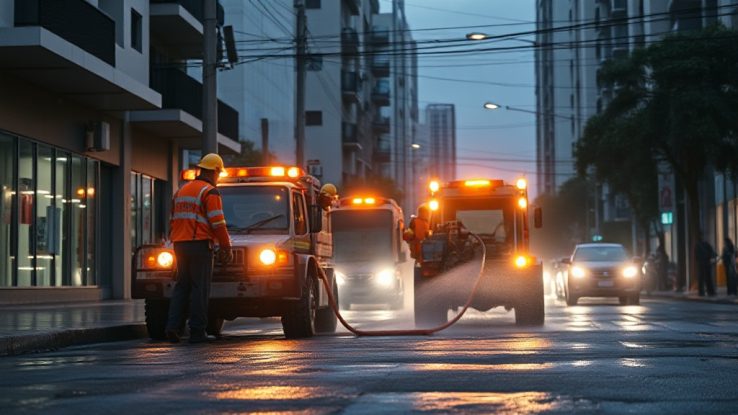
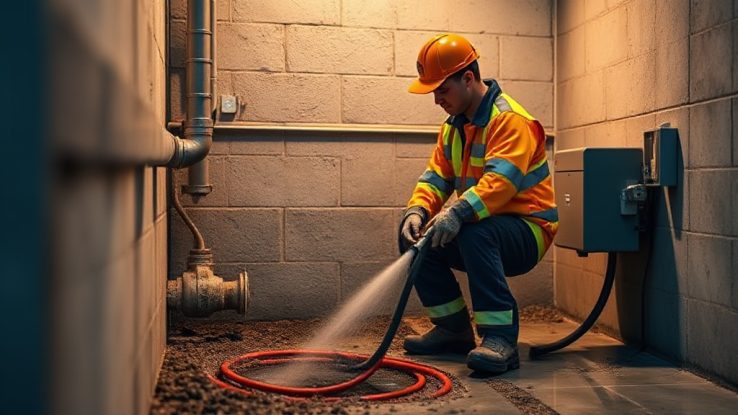
Once you call, a prepared customer gets a more useful conversation. Expect the company to ask about the location and symptoms you noted, then explain the likely method: manual tools for simple clogs, a rotating cable for deeper obstructions, or hydrojetting for grease, roots and heavy buildup in larger pipes. A professional desentupidora Ilhabela SP should also discuss access, safety and whether the job may require inspecting the line before and after cleaning.
Questions worth asking on the phone
- Is there an emergency or after-hours service, and how is it priced?
- What equipment is typically used for this type of blockage?
- Is a camera inspection recommended before or after the service?
- How is the final cost calculated, and are there access or disposal fees?
- What should I do if the problem returns shortly after the visit?
Getting answers to these questions before the visit prevents misunderstandings and helps you compare quotes fairly. It also gives the technician a realistic picture of the property, which matters on steep terrain and in older homes where pipe layouts can be unusual.
Common preparation mistakes to avoid
Beginners often assume the problem is always a simple clog and try to fix it alone first, sometimes pushing the blockage deeper. Others forget to mention that the issue affects multiple drains, or they clear the area around the cleanout only after the technician arrives, wasting paid time. Another frequent mistake is ignoring recurring slow drainage, which is often an early warning that a larger obstruction is forming.
Prevention and Maintenance After the Service
The job does not end when the water drains freely. Ask the technician what caused the blockage and what preventive routine fits your property. In many cases, simple habits make a real difference: keeping grease out of kitchen drains, using strainers in sinks and showers, avoiding flushing wipes or hygiene products, and scheduling periodic checks for older or heavily used lines.
A simple maintenance routine
- Inspect visible drains and cleanout caps every few months.
- Avoid pouring oil, coffee grounds or food scraps down the sink.
- Watch for slow drainage or odors and act before they become emergencies.
- For commercial or rental properties, keep a short service log with dates and causes.
On an island, prevention also means being ready for peak periods when rental homes and restaurants operate at full capacity. A brief maintenance check before high season is cheaper than an emergency call during it.
Frequently Asked Questions
How quickly should I call a desentupidora in an emergency?
As soon as you notice sewage backing up or multiple drains failing, stop using water and call. Early contact limits damage and gives the company time to plan access and equipment.
Can I try to unclog the drain myself first?
A simple plunger may help with a single slow sink, but avoid chemical products and repeated attempts that push the blockage deeper. If more than one fixture is affected, call a professional.
What information speeds up the service?
The exact affected points, symptoms, property type, access to cleanouts and any history of previous blockages. Clear access and honest details save time on site.
Is maintenance really necessary if the drain is working?
Yes. Periodic inspection and careful habits reduce the risk of sudden backups, especially in older buildings and properties with heavy seasonal use.